 Türkçe
 English
 Български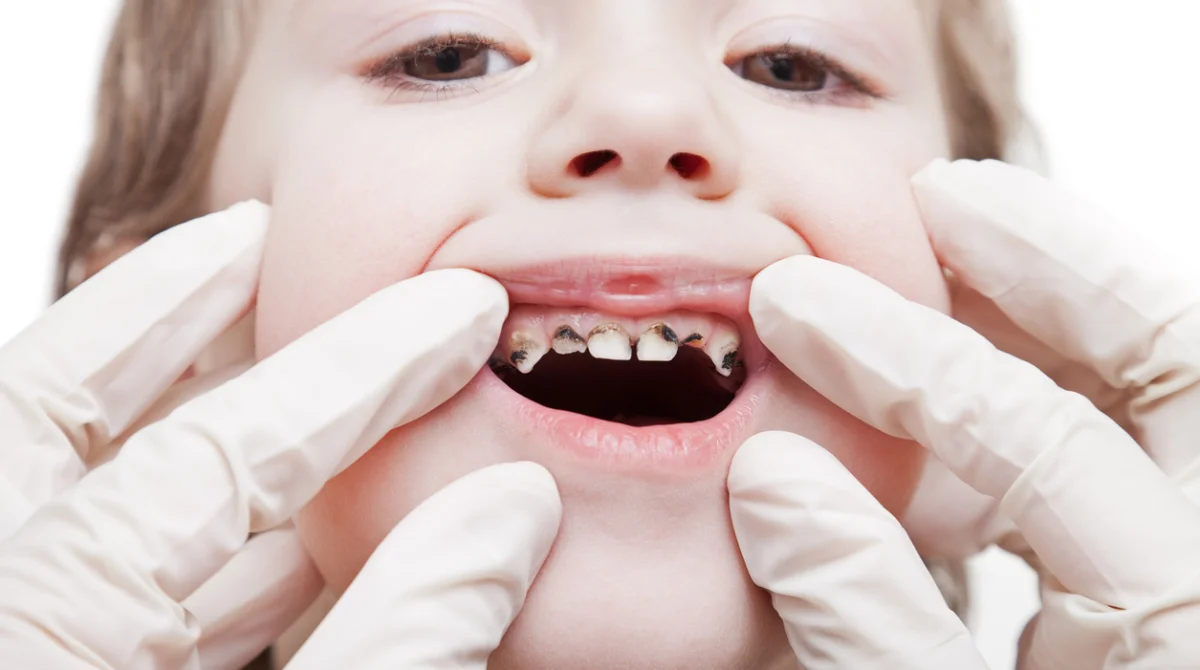
The question of what baby bottle tooth decay is is one of the most common concerns for parents with young children. Oral and dental health habits that start in infancy form the foundation of a healthy mouth structure later in life. Baby bottle tooth decay is a condition that usually occurs due to prolonged bottle feeding and incorrect feeding habits. If it is not noticed early, it can cause permanent damage to the teeth. That’s why the answer to how to prevent baby bottle tooth decay is just as important as its definition. With the right habits, this condition can largely be prevented. Çavuşdent Oral and Dental Health Polyclinic aims to raise awareness among parents on this issue.
What Is Baby Bottle Tooth Decay?
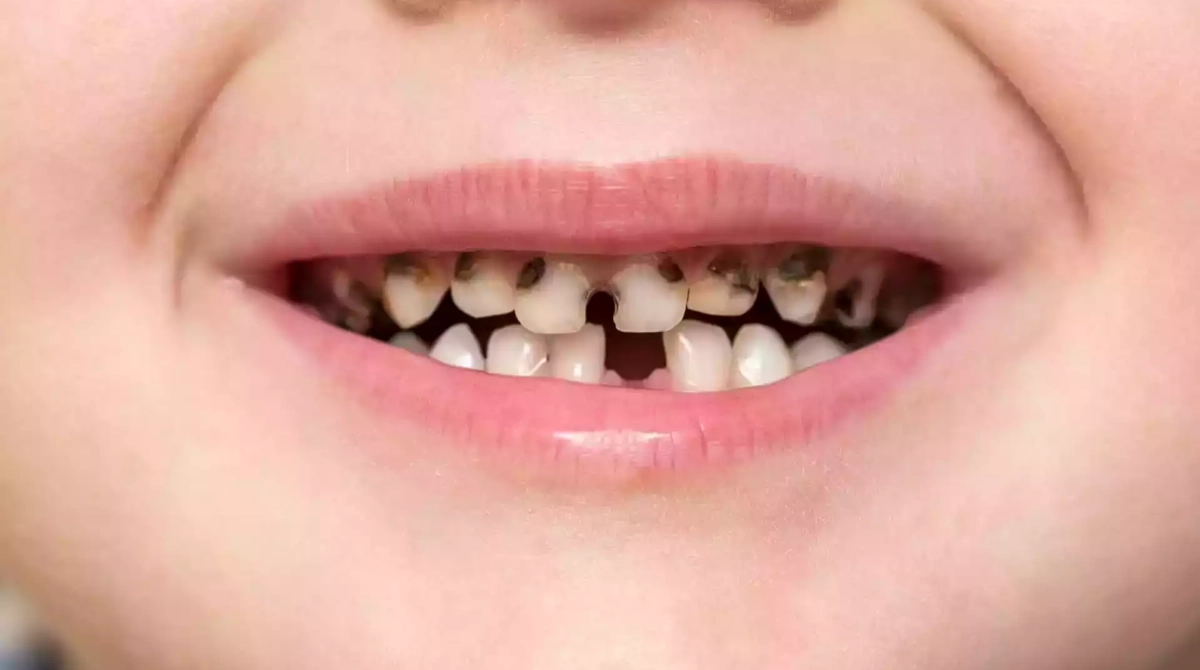
The simplest answer to what baby bottle tooth decay is: early childhood cavities seen in baby teeth. These cavities usually start in the front teeth and may spread to other teeth over time. It is more commonly seen in babies who are fed with a bottle during the night. This is because milk or sugary liquids stay in the mouth for a long time and build up on the tooth surface. Over time, this can lead to tooth damage. Baby bottle tooth decay can even progress to early tooth loss. That’s why early detection is very important.
Baby bottle tooth decay is not just an aesthetic issue; it can also affect a child’s overall health. Tooth sensitivity can negatively impact feeding habits. It may also affect speech development. For this reason, parents need to be aware of this condition. Early intervention can prevent bigger problems. This supports a healthier development for the child.
Why Does Baby Bottle Tooth Decay Occur?
The main reason behind baby bottle tooth decay is improper feeding habits. One of the biggest risk factors is feeding babies with a bottle while they sleep. This causes sugary liquids to stay in the mouth for a long time. As a result, cavities develop faster on the tooth surface. Frequent consumption of sugary foods during the day also contributes to this process. That’s why feeding habits are very important.
Poor oral hygiene is another major factor in the development of baby bottle tooth decay. If baby teeth are not cleaned after they erupt, bacteria build up in the mouth. These bacteria can gradually damage tooth structure. Prolonged use of a pacifier may also carry similar risks. That’s why healthy habits should be established early. This significantly reduces the risk of tooth decay.
What Are the Symptoms of Baby Bottle Tooth Decay?
The symptoms of baby bottle tooth decay may not be noticed in the early stages. White spots on the teeth are usually the first sign. Over time, these spots may darken and become more visible. In later stages, tooth sensitivity may develop. This can make feeding uncomfortable for the baby. Tooth fractures may also occur. These signs should not be ignored.
When the condition progresses, more serious problems may appear. Tooth pain can affect the baby’s daily comfort. It may also disturb sleep patterns. Bad breath in the mouth can also occur. These symptoms should be taken seriously. Early detection makes treatment easier. That’s why parents need to be observant.
How Can Baby Bottle Tooth Decay Be Prevented?
Knowing how to prevent baby bottle tooth decay is very important for parents. Some simple but effective habits can help prevent this condition:
- Do not put the baby to sleep with a bottle
- Avoid sugary and acidic drinks
- Clean teeth regularly after they erupt
- Limit prolonged bottle use
- Attend regular dental check-ups
These habits significantly reduce the risk of baby bottle tooth decay. They should become part of daily routines. Habits formed early in life tend to last. That’s why parents should act consciously.
Preventing baby bottle tooth decay is also important for a child’s overall health. Healthy teeth support proper nutrition. They also positively influence development. Therefore, preventive steps should not be ignored.
Does Baby Bottle Tooth Decay Affect a Child’s Development?
Baby bottle tooth decay can directly affect a child’s development. Tooth sensitivity may negatively impact feeding habits. This can make it difficult for the child to get enough nutrients. Tooth loss may also affect speech development. That’s why early intervention is very important. Healthy teeth are the foundation of healthy development.
As baby bottle tooth decay progresses, social effects may also appear. The child may feel discomfort due to pain. This can affect daily comfort. Aesthetic concerns may also appear later in life. That’s why early action is essential. With the right habits, this condition can be prevented.
How Should Baby Oral and Dental Care Be Done?
Oral and dental care in babies should start with the eruption of the first tooth. At this stage, teeth should be cleaned regularly. Cleaning habits should be taught early. This helps prevent tooth decay. It also protects overall oral health. These habits continue into later childhood.
Oral care is not only about cleaning. Regular dental check-ups are also important. Professional evaluation helps detect risks early. This prevents more serious problems. Parents should take this process seriously. Healthy habits create a healthy future.
Healthy Baby Teeth Through Proper Habits
Proper habits are essential for healthy baby teeth. These habits help reduce the risk of baby bottle tooth decay. Regular oral care supports dental health. Proper nutrition also plays an important role. That’s why daily routines should be carefully planned.
Healthy baby teeth also support healthy permanent teeth. For this reason, good habits should be established early. Parents play a key role in this process. This helps children develop a healthy oral structure. Ultimately, this improves overall quality of life.
