 Türkçe
 English
 Български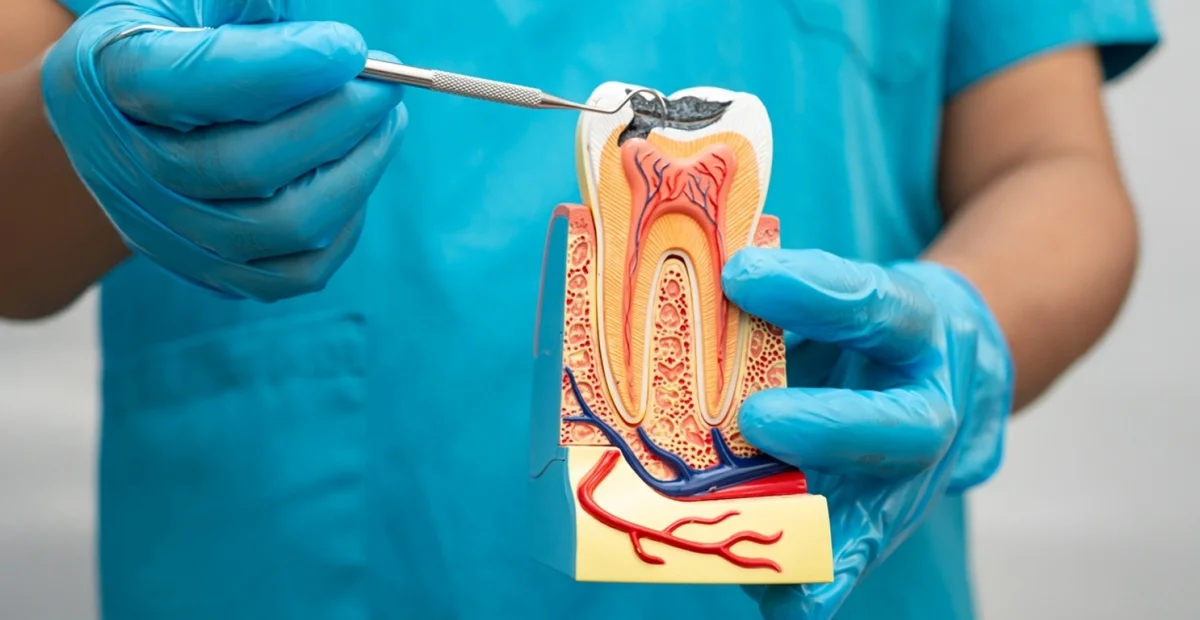
Basic Causes of Infection Formation in the Tooth Canal
The outermost layer of the tooth, the enamel, and the dentin tissue beneath it act as a strong shield protecting the living nerve cluster at the center from external factors. However, deep cavities that are neglected cross these hard tissues over time, leading microorganisms to reach the living area called the pulp. When bacteria settle into this sheltered area, they start to multiply rapidly and trigger an irreversible inflammation process.
Leaking fillings, microscopic cracks, or a hard blow to the tooth can also cause the nerves to lose their vitality. This condition, which becomes chronic, leaks from the canals in the tooth root to the surrounding tissues, setting the stage for bone destruction and severe pain. Detecting infection factors early is the first step to saving the tooth without the need for complex surgical interventions.
What Are the Symptoms Requiring Endodontic Intervention
- Throbbing pains that start suddenly at night and are severe enough to wake the patient from sleep.
- Excessive sensitivity reactions that do not go away for a long time after consuming hot or cold food and drinks.
- A sharp and sudden feeling of pain that occurs during chewing or when teeth touch each other.
- Fistula structures, popularly called pimples, and pus discharges forming on the gums.
- The tooth changing color and darkening, turning into gray or brown tones.
- Distinguishable swelling occurring in the lymph nodes around the related tooth, in the cheek, or on the gums.
- A feeling of mobility or as if the tooth has risen out of its place when it is even lightly touched.
Step-by-Step Modern Root Canal Treatment Procedure
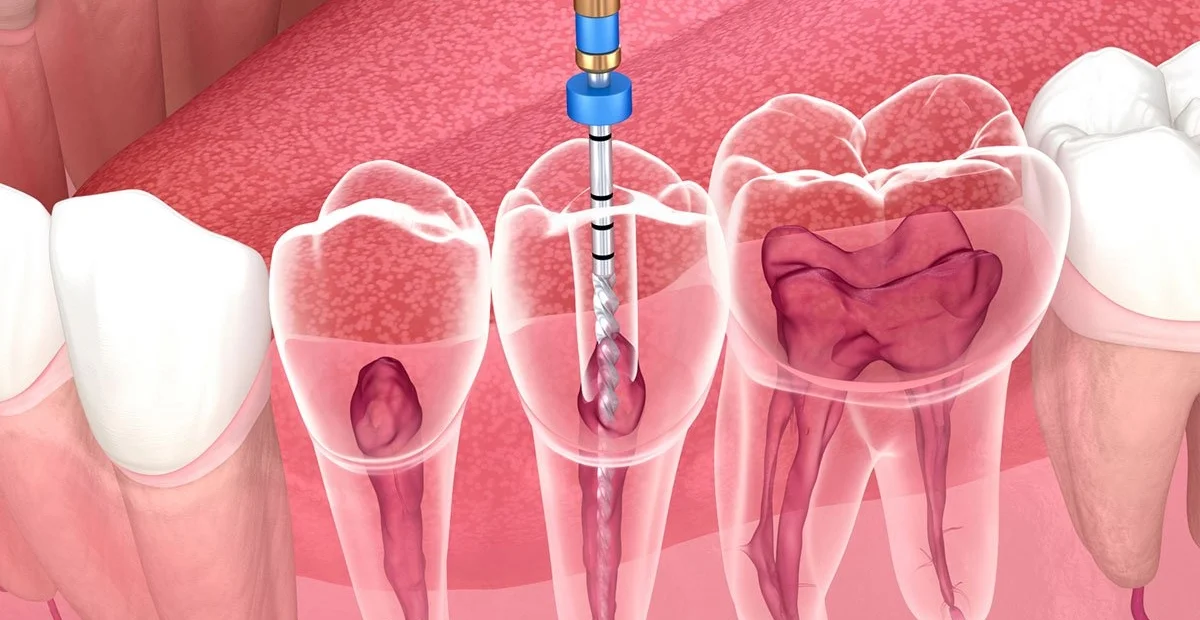
The treatment process begins with completely numbing the relevant area with local anesthesia to ensure the patient's comfort. After the pathways leading to the tooth nerves are opened, all infected pulp tissue is meticulously cleaned with special endodontic tools. While the root canals are being shaped, they are washed repeatedly with special disinfectant solutions to clear them completely of microorganisms.
The cleaned and shaped canals are tightly filled up to the root tip with bio-compatible special filling materials to prevent leakage. After the procedure, an aesthetic composite filling or a porcelain crown restoration is planned depending on the material loss of the tooth. This holistic approach completely restores the chewing function by reducing the brittleness of the tooth.
Analysis of Root Anatomy with Digital Radiography
The success of the treatment directly depends on detecting the length and curvature of the root canals without any mistakes. Digital X-ray systems emit much less radiation compared to traditional methods and instantly project the internal structure of the tooth onto the screen. In this way, the dentist measures the depth of the canals down to the millimeter and shapes the cleaning process according to this map.
Side canals or anatomical variations that could be missed are clearly analyzed thanks to digital imaging technologies. A correct starting film and mid-treatment measurements are the most critical factors that directly determine the lifespan of the endodontic treatment.
The Role of Apex Locator Devices in Treatment
Apex locator devices, which electronically detect the point where the root tip ends, bring the safety of the treatment to the highest level. Thanks to these devices, risks such as overflowing outside the root or incomplete filling are completely eliminated. Electronic measurement technology both increases the working precision of the dentist and significantly shortens the treatment time.
Points to Consider After Treatment
After the procedure is completed, nothing should be eaten or drunk until the effect of the local anesthesia wears off completely. The risk of biting the lips and cheeks while under anesthesia makes this rule mandatory for the patient's safety. It is completely natural to feel a slight sensitivity in the tooth or minor pains when pressing on it for the first few days following the treatment.
In this process, painkillers recommended by the dentist can be used regularly, and hard, shelled foods should be avoided. Oral hygiene should be given more attention than ever, teeth should be brushed at least twice a day, and the use of dental floss for dental plaque cleaning between teeth should not be neglected. Avoiding chewing with the relevant side during the intervals between sessions with temporary fillings protects tooth integrity.
Risks Encountered in Cases Where Pulp Inflammation Progresses
Pulp infections that are not intervened can leak from the root tip, causing localized bone loss in the surrounding jawbone. Along with the growth of the infection tissue, acute abscesses causing serious swelling in the face and neck area can develop. This situation is not limited to tooth loss alone; it can also threaten general body health through bacteria mixing into the blood.
Infection centers that become chronic lay the groundwork for cyst formation around the tooth root over time. Since the treatment of cysts may require much more challenging surgical operations, problems that can be prevented with a simple nerve cleaning process should not be allowed to grow. Approaches focused on tooth protection are the safest barrier preventing complex surgical scenarios.
Renewed Sessions and Retreatment Applications
A root canal renewal process called "retreatment" is applied to teeth that have undergone root canal treatment before but failed due to inadequate cleaning, leakage, or new cavities. Old filling materials are completely removed from the canals, the inside of the root is disinfected again, and medicated dressings are applied until resistant bacteria are destroyed.
This procedure gives a second chance to a tooth that seems to have reached the stage of extraction, extending its time in the mouth. With current techniques and a patient clinical approach, a large portion of failed old treatments can be successfully renewed.
Clinical Success Rates and Scientific Statistics
Long-term clinical research conducted by international endodontic associations shows that the success rate of root canal treatments applied with the correct techniques varies between 90% and 95%. In early interventions performed before the infection spreads, this rate rises even higher, and the lifespan of the teeth in the mouth becomes permanent. Correct material selection and millimetric root tip filling operations minimize the possibility of failure, greatly reducing the risk of tooth extraction.
Endodontic treatments are the most rational choice to protect dental health and avoid high-cost implant or bridge processes that extraction operations would bring. Çavuşdent Oral and Dental Health Polyclinic produces modern solutions against all tooth sensitivities that lower your quality of life with its technological infrastructure and expert staff; moreover, it leads you to gain healthy smiles in the Çorlu region with all these advanced dental applications.
