 Türkçe
 English
 Български
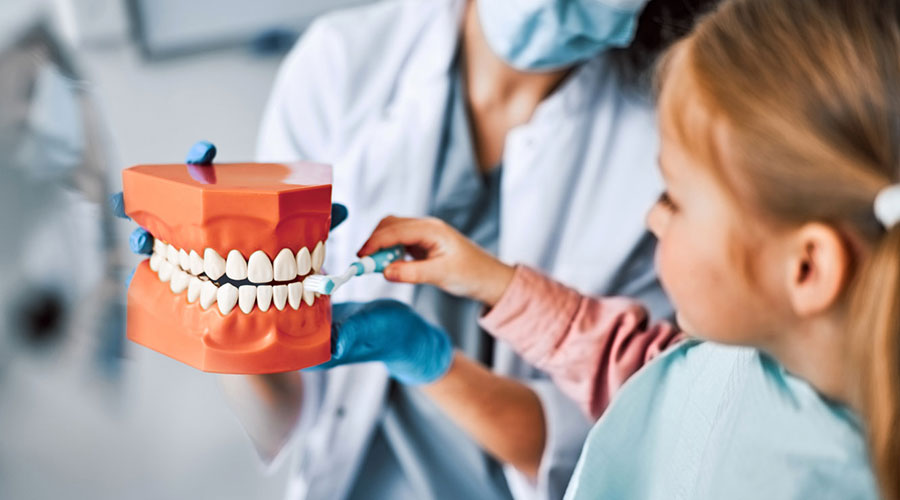
Dental anxiety, also known as dentophobia, is a very common condition stemming from negative experiences in childhood, the uncertainty brought by an unknown procedure, or the feeling of losing control. Many individuals postpone their routine check-ups because of this anxiety and do not treat problems that could be solved with a simple filling, paving the way for greater damage to their oral health. However, modern dentistry practices focus not only on treating teeth, but also on ensuring the patient's psychological comfort and making surgical processes completely painless. Thanks to developing digital technologies, needle-free anesthesia techniques, and communication-oriented physician approaches, it is now much easier to overcome the fear of the dentist and sit safely in the clinic chair. With the right strategies and a step-by-step approach, it is aimed to overcome this hesitation and achieve a healthy mouth structure.
Overcoming Dental Anxiety and Stepping Towards Healthy Smiles
At the root of anxiety and concern, there are usually a lack of information and painful memories experienced in the past. The distance that dentistry technology has covered in recent years has completely eliminated the aggressive and painful methods of the past.
According to the clinical experience of Çavuşdent Oral and Dental Health Polyclinic, a large part of the anxiety felt by patients is resolved in the first session by explaining the procedures step-by-step by the physician and giving the patient control. Approaches to overcoming dental anxiety, which respect the individual's anxiety level and are carried out with an empathetic focus, turn the clinic environment from a source of stress into a safe health space.
3 Core Success Stages Followed in Controlling Anxiety
Gradually eliminating dental fear and establishing a bond of trust between the physician and the patient takes place over three main stages. In the first stage, which is the introduction and examination stage that does not require treatment, the patient comes together with the physician without using any surgical instruments, just to chat and get to know the clinic.
In the second stage, the communication and minor interventions period, the patient's expectations and hesitations are listened to, and the process is started with very simple and painless procedures such as dental scaling. In the third and final stage, as the patient adapts to the clinical environment and their trust in the physician strengthens, actual treatments are started, and the process of overcoming dental anxiety is successfully completed permanently.
Psychological Adaptation and the Biological Impact of Painless Anesthesia Technologies
The brain triggers the "fight or flight" response by activating the sympathetic nervous system in the body against a stimulus it previously perceived as a threat. This leads to an accelerated heartbeat, muscle tension, and increased anxiety levels. Modern anesthetic agents and digital anesthesia devices, on the other hand, block nerve transmission in milliseconds without applying liquid pressure to the tissue.
Once numbness is provided to the tissue, it becomes biologically impossible for the patient to feel pain. The brain, experiencing a painless process, reconfigures its negative perception of the clinic environment over time (neuroplasticity) and extinguishes the fear response. In applications carried out within Çavuşdent Oral and Dental Health Polyclinic, the physical and mental comfort of the patient is kept at the highest level, offering a painless treatment environment.
The Importance of Using a Stop Signal During Treatment
One of the situations that patients experiencing dental anxiety fear the most is the feeling of completely losing control in the chair and not being able to make their voice heard. The most effective way to eliminate this concern is to establish a simple communication code between the physician and the patient before starting treatment.
A simple "stop signal" is determined, such as raising the patient's hand or moving a finger. Knowing that the physician will stop the procedure immediately when the patient gives this signal gives the patient the feeling that control is in their hands. This sense of confidence lowers the patient's panic level, allowing them to focus much more comfortably on the treatment.
Conscious Sedation and General Anesthesia Options
For patients who experience severe phobia, have a history of panic attacks, or cannot mentally adapt to the clinic, sedation applications are an excellent alternative. Thanks to conscious sedation applied under the supervision of an anesthesiologist, the patient enters a semi-drowsy mode.
A patient under sedation can fulfill simple commands from the physician, such as "open your mouth," but loses the sense of time and does not remember any painful procedures performed. This method, which allows all dental treatments to be completed in a single session, is a life-saving option that prevents the postponement of treatments for individuals who cannot overcome their fear of the dentist.
Practical Methods to Overcome Dentophobia at Home and in the Clinic
Gradually going over the fear and organizing the appointment day correctly significantly reduces the stress load of the patient. It is possible to turn the clinic visit into a much more comfortable experience with simple techniques that will calm the mind and body.
- It is useful to plan the first appointment for the morning hours when you are mentally more relaxed, rather than in the middle of busy workdays.
- Disaster scenarios and hearsay negative stories on the internet should definitely not be read before the appointment.
- Instead of going to the appointment alone, a close friend or family member who will make you feel safe can be brought along.
- Listening to favorite music or relaxing podcasts with headphones in the waiting room or during treatment keeps the mind away from the environment.
- While sitting in the chair, deep breathing exercises (inhalations for 4 seconds, exhalations for 6 seconds) should be applied to prevent muscle contraction.
- Fears and bad past experiences should be clearly explained to the physician and not hidden.
- In the first session, a difficult treatment should definitely not be requested; the focus should remain solely on getting used to the clinic environment and examination.
Modern Laser Technologies and Painless Treatment Options
The sounds and vibrations produced by rotating instruments (turbines) used in traditional dentistry are one of the biggest triggers for patients with dentophobia. Digital dentistry and hydro-kinetic laser systems developing today have largely eliminated these negative factors.
- Since there is no contact or mechanical vibration in laser dental treatments, the feeling of pain is at a minimum level.
- The uncomfortable noises made by rotating instruments are eliminated thanks to laser technology.
- Digital intraoral scanners completely prevent the feeling of nausea and gagging created by traditional impression materials.
- For patients with a fear of anesthesia needles, topical anesthetics in spray or gel form are used to eliminate the sensation of the needle.
- Ultrasonic devices (piezosurgery) used in surgical interventions focus only on bone tissue, preventing soft tissue damage and post-operative swelling.
- Procedure times are shortened thanks to digital infrastructure, and the time the patient spends in the chair is minimized.
- Technological comfort completely changes the patient's perspective on the clinic, accelerating the overcoming of fear.
Patient-Oriented Oral Health Services and Clinical Standards in the Çorlu Region
Çorlu, which is the focal point of the Thrace region in terms of industry and population, holds a leading position in empathy-oriented healthcare services that value patient psychology, as well as modern dentistry applications. The dynamic structure of the city requires patients to access not only quality treatment, but also empathy-oriented healthcare services where they will feel safe and comfortable. Treating individuals with dental anxiety in a comfortable environment directly supports the development of health standards in the region.
Çavuşdent Oral and Dental Health Polyclinic, with its innovative technological equipment and communication-oriented expert physician staff, meticulously manages the treatment processes of anxious patients. Our approach that respects individual fears, our painless anesthesia possibilities, and our custom-designed adaptation sessions allow our patients to smile with confidence. Our vision, which brings together scientific methods with patient comfort, continuously elevates oral and dental health standards in the region.
Taking a Step Towards a Healthy Smile by Leaving Fears Behind
Fear of the dentist is a temporary emotion that grows as it is postponed, but can be overcome in a very short time with the right physician approach and modern technologies. Thanks to painless anesthesia methods, communication-oriented treatment protocols, and digital systems, experiencing pain or panic in the dental chair is no longer a fate. With the patient and empathetic approaches of our expert physicians, our high sterilization standards, and our comfort-oriented clinical facilities, we safely protect your oral health. Focusing on your health with innovative and scientific methods, Çavuşdent Oral and Dental Health Polyclinic continues to provide health services at the highest standards to the residents of Çorlu and the surrounding region on how to overcome dental anxiety, with the aim of resolving dental problems through painless and comfortable methods.
