 Türkçe
 English
 Български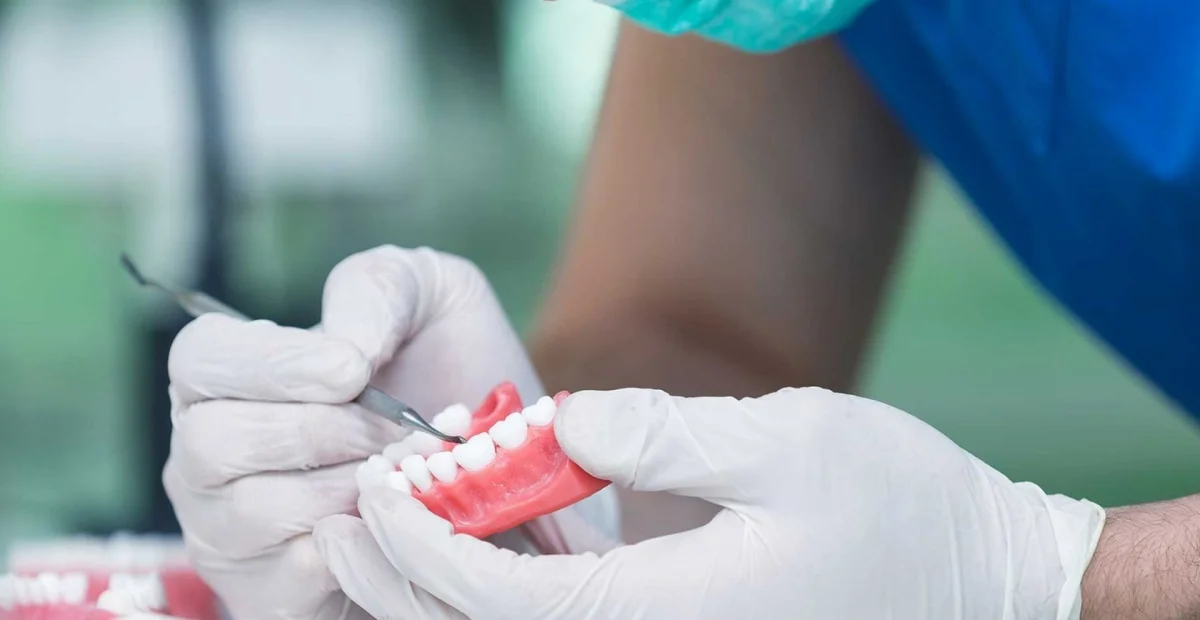
Zirconium and Monolithic Solutions in Fixed Prosthetic Technologies
In modern dentistry, traditional metal-supported porcelains are replaced by full-ceramic systems with much higher light translucency and biological compatibility. Combining the high resistance of zirconium dioxide element with the aesthetic structure of porcelain, zirconium crowns can perfectly mimic the transparency of natural tooth enamel. This biocompatible material, which does not cause gray reflections on the gum line, becomes the strongest helper of physicians, especially in anterior aesthetic restorations.
In recent years, monolithic restorations milled from zirconium blocks have also gained popularity thanks to computer-aided design and manufacturing (CAD/CAM) technologies. In this system, the risk of fracture or layered wear of the prosthesis is minimized, while an outstanding resistance against the high chewing forces needed in the posterior group of teeth is obtained. These new generation materials, which are gum-friendly, also facilitate the maintenance of oral hygiene by reducing plaque accumulation.
Implant-Supported Fixed and Removable Dentures in Tooth Losses
Ranging from a single missing tooth to completely edentulous mouths, implant technology forms the fundamental pillar of prosthetic dental treatment. While adjacent sound teeth need to be reduced in classic bridge applications, no intervention is made to neighboring teeth in implant-supported prostheses. Special porcelain or zirconium crowns placed on titanium artificial roots give the patient the feeling of chewing with their own natural teeth.
In completely edentulous mouths, traditional total dentures that constantly come out of the mouth due to bone resorption, cause pain, and isolate the patient socially are becoming a thing of the past. Smart hybrid prostheses that can keep the entire jaw fixed with only 4 or 6 implant supports or locator implant-supported removable systems are preferred. These applications eliminate the risk of the prosthesis moving in the mouth, allowing patients to chew even hard foods safely and painlessly.
Hygiene and Care Guide for Individuals Using Dentures
No matter with which technology it is produced, the lifelong health of a prosthesis in the mouth depends on daily cleaning routines to be implemented meticulously. Bacterial plaques accumulating on prosthetic surfaces can lead to gum inflammation, bad breath, and decay of supporting teeth if not cleaned. In order to extend the lifespan of both fixed and removable dentures and to protect tissue health, attention must be paid to the following rules in daily life:
- Special under-bridge dental floss (superfloss) must be used to clean the spaces remaining under fixed bridges and crowns.
- Removable dentures must be removed from the mouth after every meal and cleaned under running water with their own special brush and a non-abrasive soap.
- Normal toothpastes must strictly not be used for cleaning dentures; micro-particles inside toothpastes scratch the prosthetic surface, accelerating bacterial growth.
- Removable dentures must definitely be kept in clean water or in a special denture cleaning tablet solution during the night hours when they are not in the mouth.
- In the cleaning of implant-supported prostheses, oral irrigators producing pressurized water must be used routinely to clear the implant necks from food debris.
- Water at room temperature must strictly be preferred instead of hot water when cleaning dentures to avoid structural damage and thermal deformation.
- Partial denture users protecting their own natural teeth must not neglect brushing their existing teeth in the mouth with the standard technique before putting the denture on.
Minimal Invasive Approach in Smile Design: Porcelain Veneers
Prosthetic dentistry not only completes missing teeth but also redesigns aesthetics by correcting shape, color, and positional defects of the teeth. Porcelain laminates, or porcelain veneers as they are commonly known, are the most minimally invasive method requiring the least tissue loss among these aesthetic touches. They can be applied by removing a very thin layer of approximately 0.3 to 0.7 millimeters only from the front surface of the teeth, or sometimes without any abrasion at all.
Prepared with precise techniques in a laboratory environment, these ultra-thin porcelain leaves lock perfectly onto the tooth surface with special bonding agents. This high-tech material, which is not stained by external factors such as coffee, tea, or cigarettes, offers permanent whiteness. This method is frequently preferred to close spaces between teeth, repair broken or worn edges, and mask mild crowding.
Temporomandibular Joint (TMJ) Disorders and Occlusal Splint Treatment
One of the most important fields of expertise in prosthetic dental treatment is regulating the closure relationship (occlusion) of the upper and lower jaw with each other and the jaw joint. Stress-induced teeth clenching and grinding (bruxism), which is one of the biggest problems of our day, causes wear, micro-cracks on teeth, and joint pain. Teeth whose vertical dimension decreases over time, meaning their height shortens by wearing down, lead to an aged appearance of the face and chronic head-neck pain.
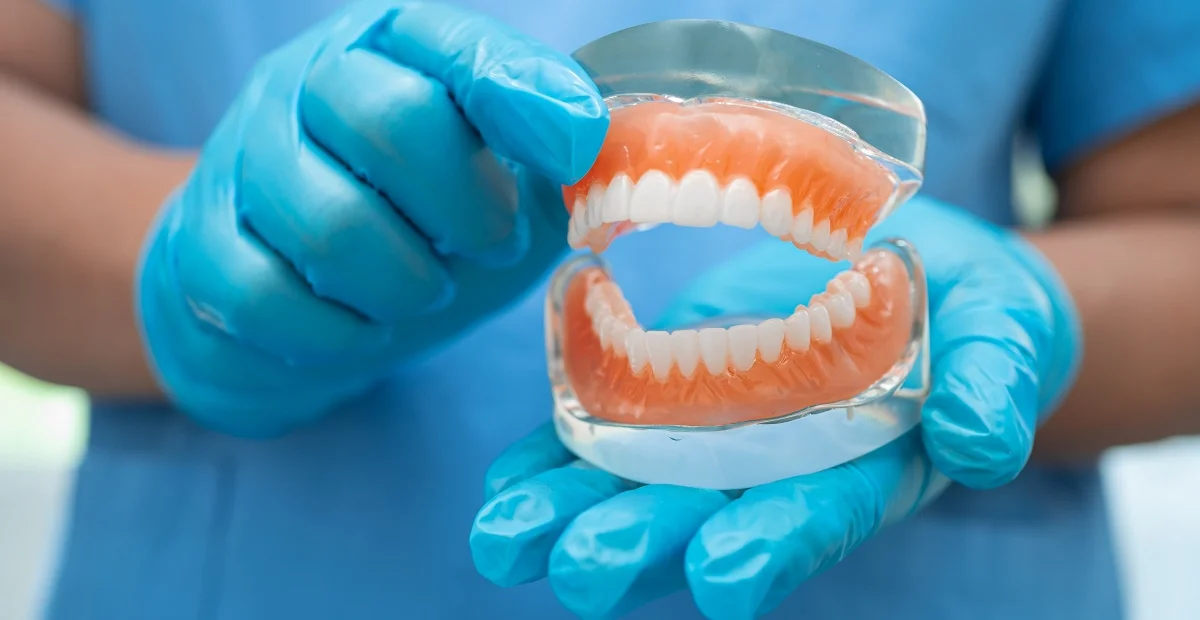
Prosthesis specialists working in coordination with periodontists and maxillofacial surgeons balance the load on the joint by designing personalized transparent night guards called occlusal splints. In patients with severely worn teeth, the vertical dimension is recalculated and raised to its ideal position with zirconium or full-ceramic restorations. In this way, both the tension in the masticatory muscles is eliminated and the anatomical health of the jaw joint is permanently protected.
Precision Attachment (Snap-On) Dentures and Aesthetic Solutions
In cases where there are numerous missing teeth and fixed prostheses cannot be made, the metallic appearance created by traditional clasped partial dentures can disturb patients aesthetically. To solve this problem, precision attachment denture systems, where the clasps are not visible from the outside, are brought into play. Based on the principle of crowning existing teeth and locking the denture into special slots hidden inside these crowns, this system works with a completely hidden mechanism. The fact that no metal parts are visible while both talking and smiling allows patients to completely conceal that they are using dentures.
Temporary Denture Processes with Digital Workflow
One of the biggest reservations of patients in prosthetic treatments is the fear of being left toothless or withdrawing from social life while their permanent teeth are being prepared. Thanks to advanced digital workflows and three-dimensional production systems located in the clinic, these concerns are completely eliminated. Within the same session where teeth are cut or implants are placed, the temporary dentures of the patient designed on the computer are prepared immediately and adapted to the mouth. In this way, our patients can continue their normal lives and smile with confidence without feeling any functional or aesthetic deficiency throughout the treatment process.
Factors Determining the Lifespan of Dentures and Replacement Time
The intraoral dynamic is like a constantly moist, acidic, and high-pressure organic laboratory, and dentures are also exposed to natural wear processes over time. Although the fundamental factor extending the lifespan of a prosthesis is the personal care of the patient, the fit of dentures can change with the resorption of the underlying bone tissue over time. Looming looseness occurring in removable dentures over time can be corrected with relining processes, but the prosthesis may need to be completely renewed at certain periods. In fixed prostheses, whether the marginal integrities are disrupted due to gum recession must be monitored by an expert physician during regular sessions.
Clinical Success Rates of Prosthetic Treatments with Numerical Data
Independent reports published by international journals of prosthetic dentistry and clinical authorities confirm the success of digital prosthetic systems with striking statistics. According to large-scale clinical follow-up studies, the 10-year durability and success rate of computer-aided designed zirconium and implant-supported fixed prostheses stands at an excellent level of 97.2%. The introduction of digital impression systems completely reduces the 18% marginal discrepancy and micron-level errors experienced in traditional plaster impressions to zero. Furthermore, prosthetic applications with correct vertical dimension planning supported by joint treatment increase the chewing efficiency of patients by 74% compared to old metal-supported systems. The combination of technological material engineering and the vision of an expert physician makes restorations that are fully compatible with biological boundaries and can be used safely for a lifetime possible.
Reconstructing your oral and dental integrity with modern engineering solutions and aesthetic dentistry experience, our clinic offers solutions specific to each patient. With our expert staff closely following the most up-to-date digital design and manufacturing infrastructure, we are by your side with the highest service standards in the Çorlu region to bring back your lost comfort and flawless smile.
