 Türkçe
 English
 Български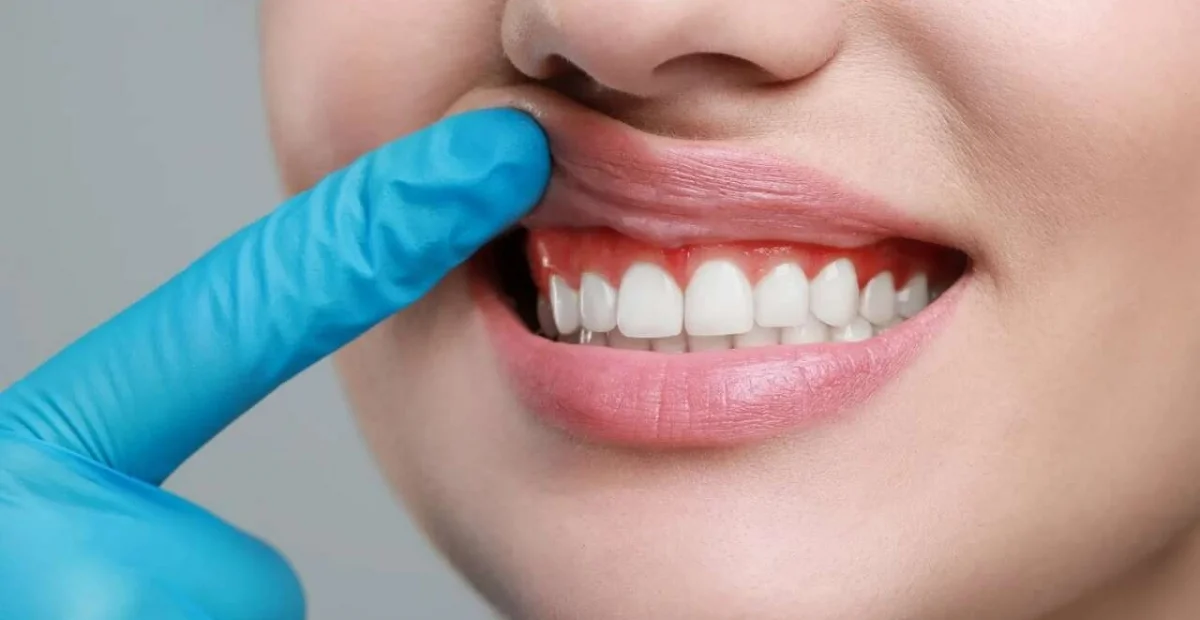
Hidden Symptoms and Stages of Gum Diseases
Because periodontal diseases generally progress without pain, they can unfortunately be easily ignored by patients in the initial stages. In the gingivitis stage, which is the first phase of the disease, redness, swelling, and bleeding that becomes prominent especially during brushing occur in the gums. Since the infection affects only the superficial soft tissue at this stage, it can be completely reversed with professional cleaning and correct care routines.
Untreated gingivitis makes a rapid transition over time to the periodontitis stage, where the bone tissue supporting the teeth is also destroyed. At this stage, deep spaces called "periodontal pockets" form between the tooth and the gum, and bacteria continue to multiply rapidly in these pockets. Chronic bad breath, receding gums, openings between teeth, and shaking teeth in advanced stages are among the most obvious signs of destruction in this process.
Professional Dental Scaling and Root Planing Treatment
The first and most critical step of periodontology treatment is the complete removal of microbial dental plaque and tartar (dental calculus) that cause infection from the mouth. While hardened accumulations on the tooth surface are cleaned with the help of ultrasonic devices, special sensitivity is shown to the areas remaining below the gum line. Dental scaling plays a vital role in reducing inflammation by allowing superficial tissues to breathe.
In the presence of deep pockets where infection has progressed to the root surfaces, curettage (root surface planing) treatment is applied. Under local anesthesia, inflammatory deep tissues and bacterial toxins on the root surface are meticulously scraped off using special hand instruments or advanced laser systems. Smooth root surfaces allow the gum to re-attach tightly to the tooth, ensuring that pockets shrink and tissues heal.
Home Care and Preventive Measures in Gum Health
The permanence of successful interventions performed in a clinic environment depends directly on regular and correct oral hygiene habits to be maintained by the patient at home. Simply brushing teeth unfortunately does not show sufficient performance to clean plaque on the interfaces of teeth facing each other. In order to protect periodontal health and prevent the recurrence of infection, it is necessary to pay close attention to the following rules in daily life:
- Teeth should be brushed at least twice a day, at a 45-degree angle to the gum line, with soft and circular movements.
- Dental floss should be used regularly every day to clean plaque between teeth that the brush cannot reach.
- An interdental brush of appropriate sizes recommended by the physician should be preferred for widened tooth gaps or situations where root surfaces are exposed.
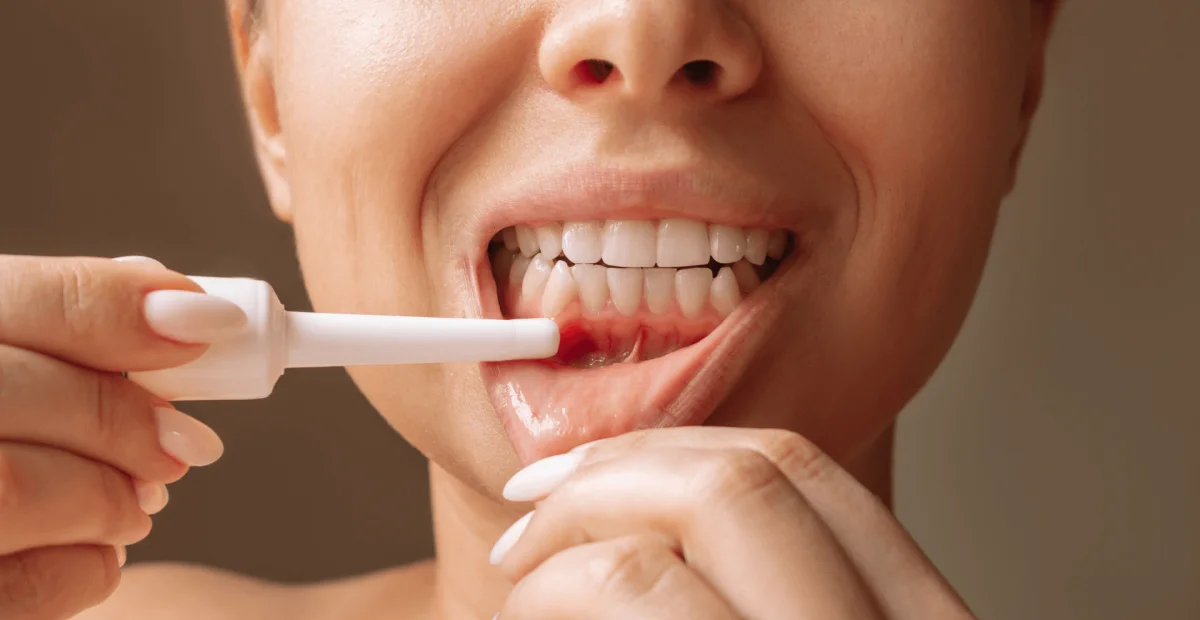
- Oral irrigators should be utilized to clean inside gum pockets and to remove food debris with pressurized water.
- Tongue cleaning should be made a routine in order to prevent bacteria accumulating on the tongue surface from spreading to the gums.
- Unless prescribed by a physician, intense alcoholic antiseptic mouthwashes that can disrupt the oral flora should not be used for a long time.
- Consumption of refined sugary and sticky foods should be limited in nutrition, and foods rich in fiber and vitamins should be preferred.
Gum Recession and Aesthetic Flap Operations
Distinct recessions can occur in gums as a result of faulty tooth brushing, genetic predisposition, or advanced periodontal diseases. This situation both causes an unpleasantly "elongated tooth" appearance aesthetically and brings severe hot-cold sensitivity due to exposed root surfaces. In the treatment of gum recessions, micro-surgical methods are used to restore the tissue to its former position and cover the root surface.
In these advanced surgical procedures called flap operations, the gum is gently lifted to reach inflammatory deep tissues and irregularities at the bone level are removed. When necessary, healthy tissues taken from the palate area of the patient (free gingival graft or connective tissue graft) are transferred to the area with recession. In this way, the protective tissue band around the tooth is strengthened and an aesthetically perfect and symmetrical smile line is reconstructed.
General Body Health and Periodontal Connection
Modern medical and dental research clearly reveals that chronic infections in the gums are not limited to the intraoral area alone. Aggressive bacteria in gum pockets and the inflammatory chemicals they produce can mix into the blood circulation and adversely affect other systems of the body. It is known that especially uncontrolled gum diseases complicate the course of systemic disorders.
There is a two-way and very strong relationship between diabetes (sugar disease) and periodontal infections; gum inflammation makes it difficult to balance blood sugar, while high blood sugar also increases the severity of gum diseases. At the same time, it is supported by clinical observations that individuals with chronic gum disorders have a higher risk of cardiovascular diseases, stroke, and respiratory tract infections. Hormonal changes during pregnancy also make the gums sensitive, and it is known that untreated severe periodontitis can trigger the risk of premature birth or low birth weight.
Pink Aesthetics and Smile Design Applications
A flawless smile design comes to life not only with white and smooth teeth, but also with healthy and symmetrical gums framing these teeth. The condition where gums appear much more than normal when smiling (gummy smile) can cause aesthetic concerns and lead individuals to hide their smiles. With gingivectomy and gingivoplasty procedures performed by periodontology specialists, excess gum tissues are shaped painlessly with a laser. By bringing tooth lengths to ideal proportions, a tremendous visual balance is established between the white aesthetics of teeth and the pink aesthetics of gums.
Laser-Assisted New Generation Gum Treatments
Technological developments ensure that traditional scalpel methods in periodontal surgery are largely replaced by modern laser applications. Laser beams provide maximum sterilization by selectively destroying harmful bacteria in gum pockets while causing no harm to healthy tissues. This method, which stops bleeding almost completely during the procedure and eliminates the need for stitches, helps patients leave the operation chair much more comfortably. While swelling and pain complaints experienced after treatment are minimized, the healing process accelerates incredibly thanks to the biostimulation of tissues at the cellular level.
Routine Maintenance and Control Sessions After Treatment
The most critical turning point in the success of periodontal treatments is the "maintenance phase" process that starts after active surgical or clinical procedures are completed. Because gum diseases are chronic in nature, their tendency to recur is quite high when oral care is not paid attention to after treatment. In routine control sessions of 3 or 6 months determined by the physician according to the risk status of the patient, depth measurements are repeated and pockets are checked. Microscopic cleanings performed in these follow-up sessions destroy new foci of infection while they are still in the initial stage, ensuring that the health achieved is permanent for life.
Periodontal Treatment Successes with Scientific Statistics
Current data published by the World Health Organization and international periodontology associations prove the power of early and correct intervention with numerical successes. According to clinical research, the success rate of periodontal treatment stands at a definitive level of 95.7% in patients who receive regular maintenance treatment and pay attention to oral hygiene. Professional care applied in the first stage of gum diseases reduces the need for surgical intervention that may occur in the future by 82%, protecting the natural structure of tissues. In addition, completing gum treatment and closing pockets reduces the harmful bacteria load in the mouth, completely eliminating chronic bad breath (halitosis) complaints with a rate of 91%. These scientific approaches combined with digital analysis methods and expert physician control form a biological shield of protection in oral health, preventing tooth loss.
Protecting this most sensitive foundation of oral and dental health with expert experience and modern technological opportunities, our clinic offers healthy tomorrows to its patients. With our expert staff closely following innovative diagnosis and treatment protocols for all problems you experience in your gums, we are safely at your service to offer surgical and clinical solutions at the highest standards in the Çorlu location.
